
By Shane Allen | CarmelloVision
Last checked: November 10, 2026
Recently, someone in my network was looking for a place to stay in Tokyo for a month. A reasonable budget, somewhere comfortable, and a setup that would make an extended visit easier.
I reached out to a few people. Some replies took a little time, so I put the question out across a few channels. Recommendations started coming in from local acquaintances, people connected to property managers, and people who regularly make the same trip.
One of them happened to be from Milwaukee, too. Small world.
The conversation became a useful shortlist of monthly rentals in Tokyo. I figured it was worth sharing for founders, business travelers, and people coming to Japan long enough to want a routine.
If you’re comparing furnished apartments, serviced apartments, or a one-month rental in Tokyo, here are six places to start—and the questions I’d ask before booking.
This is a starting point assembled from community recommendations and providers’ published information. I haven’t personally stayed at every property. Availability, pricing, and booking requirements should be confirmed directly.
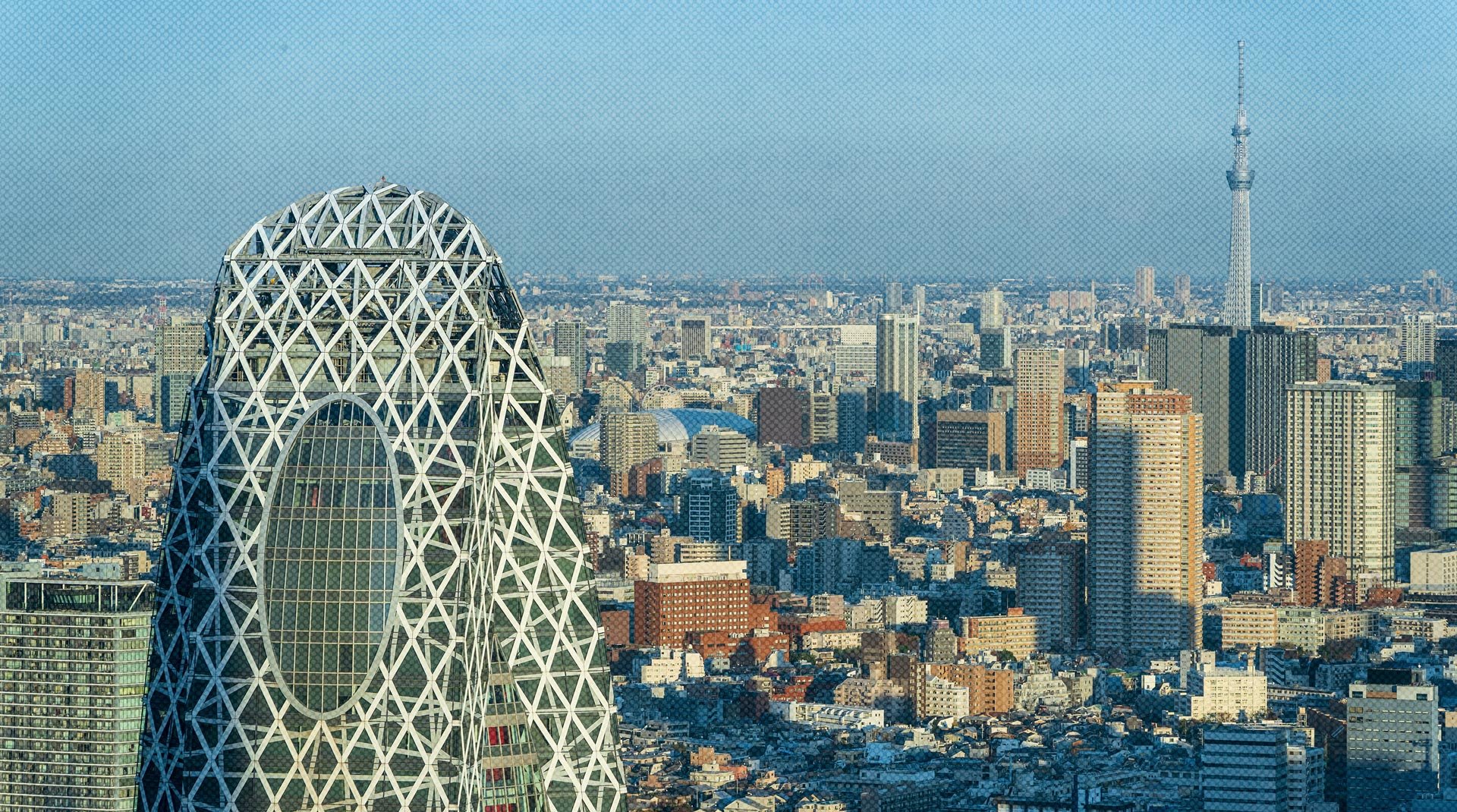
Start with the month you’re planning for
A month in Tokyo can mean very different things.
You might be meeting potential partners, attending events, spending time with a local team, or deciding whether the city belongs in your longer-term plans. You might also need to keep up with clients back home while you’re here.
That changes what makes a good apartment.
A beautiful room loses some appeal when your only place to open a laptop is the bed. An address that looks convenient on a map might be awkward for the meetings you’ll potentially hold. And a low advertised monthly rate only tells you so much until you know the full cost. And another might be just way too expensive oddly.
Before browsing, write down your dates, total budget, likely meeting locations, and what you need to work comfortably. It makes the shortlist much easier to judge.
Five places to look for monthly apartments in Tokyo
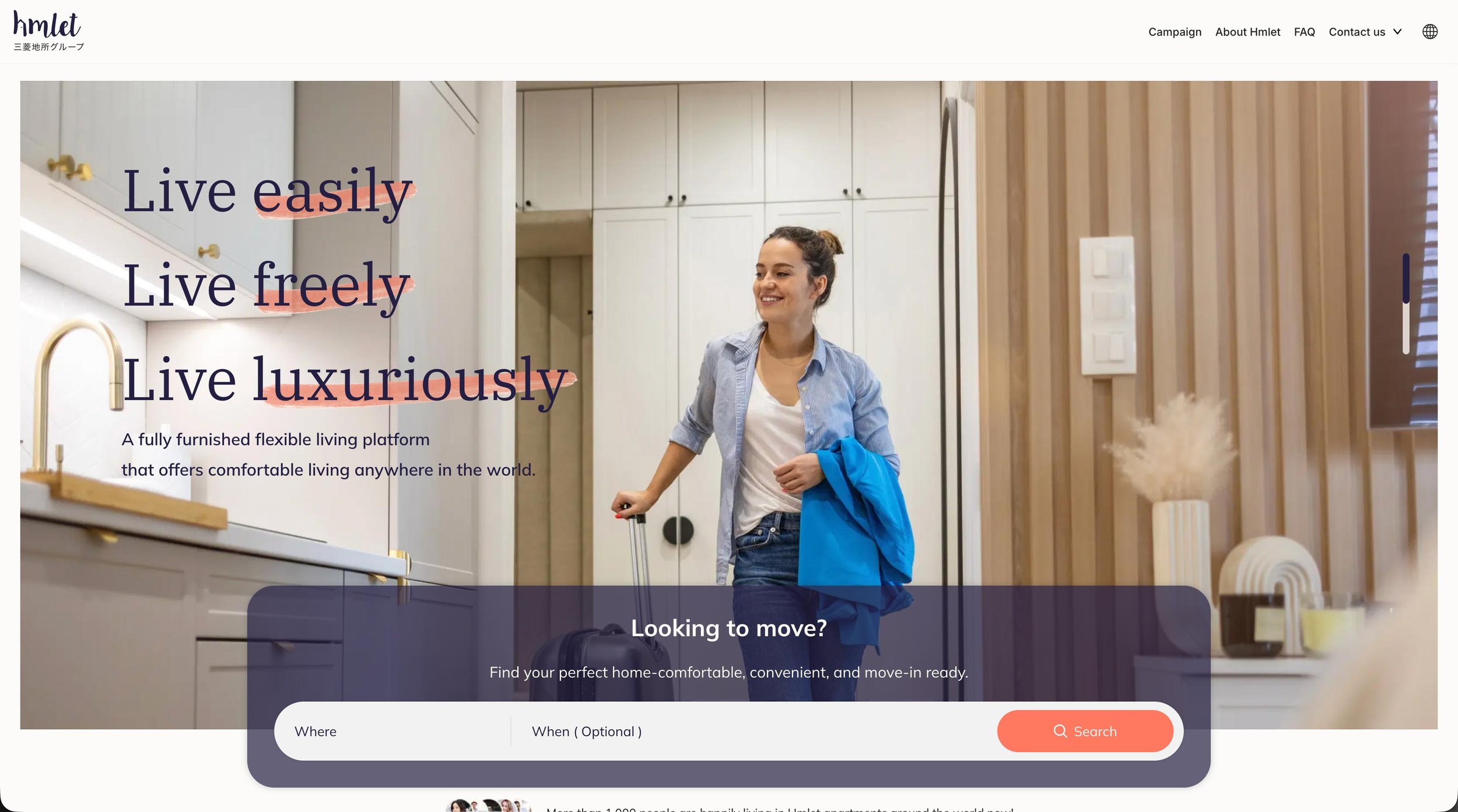
1. Hmlet: furnished apartments with English support
Explore Hmlet’s Tokyo apartments
Hmlet was one of the recommendations that came through someone who makes similar trips to Japan.
Its Tokyo offering includes furnished apartments, English support, and stays from one month to two years. The company advertises online contracts, credit card payments, and no requirement for a Japanese bank account or guarantor.
That makes it a useful starting point if you’re arranging accommodation from overseas and want to understand the process in English.
What I’d check: the final quote for your exact dates, including the initial service and cleaning fees. Ask for photos of the actual apartment and workspace, too.
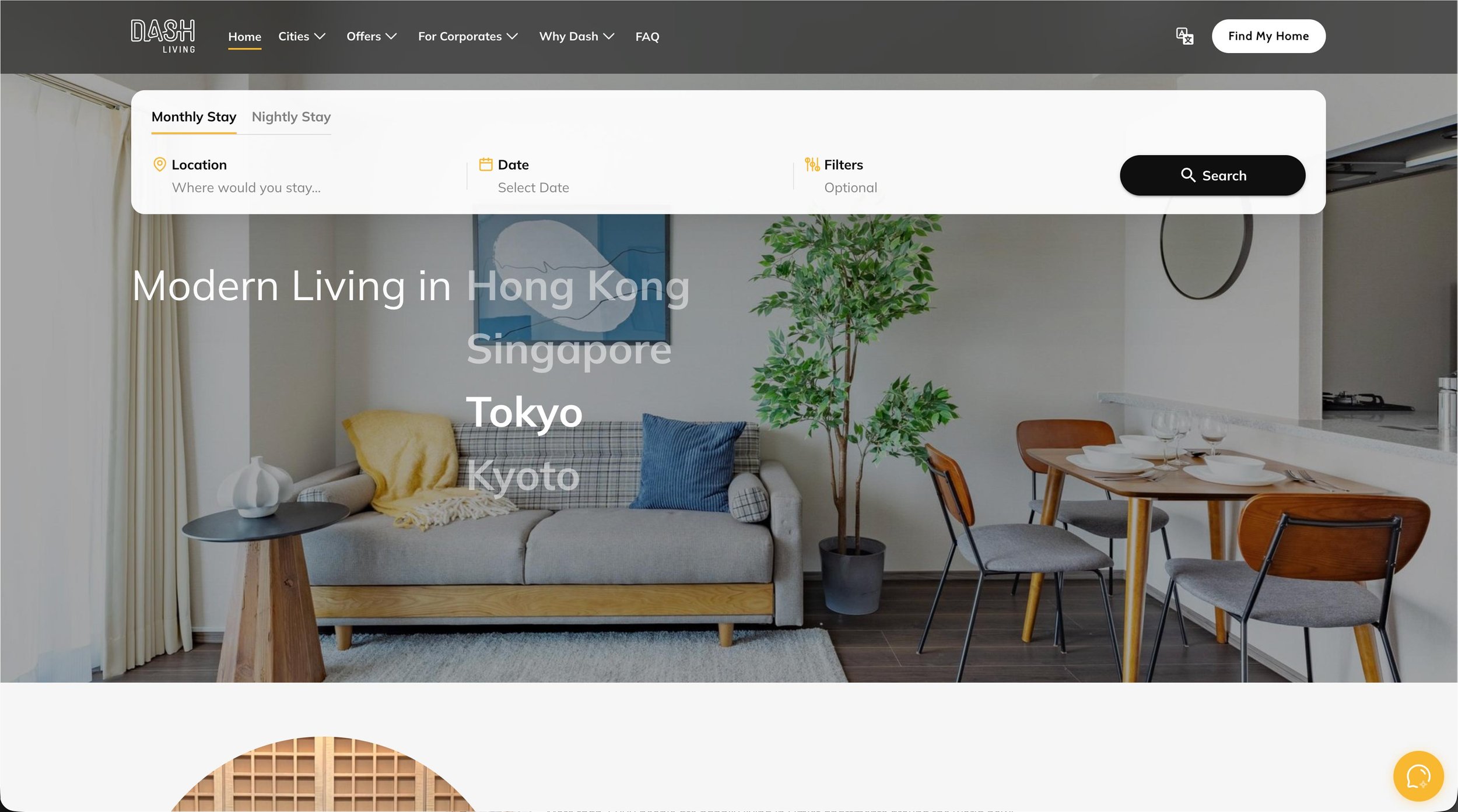
2. Dash Living: another option for an extended Tokyo stay
Dash Living’s Tokyo page offers monthly stays and describes furnished options with utilities and Wi-Fi included. It also lists unfurnished homes, so pay attention to the specific property you’re viewing.
For a business visit, I’d use it to compare locations against your calendar. Being close to the places you’ll return to several times matters more than being close to every possible attraction.
What I’d check: whether the selected unit is furnished, what the quoted total covers, and the terms for extending or shortening the stay.
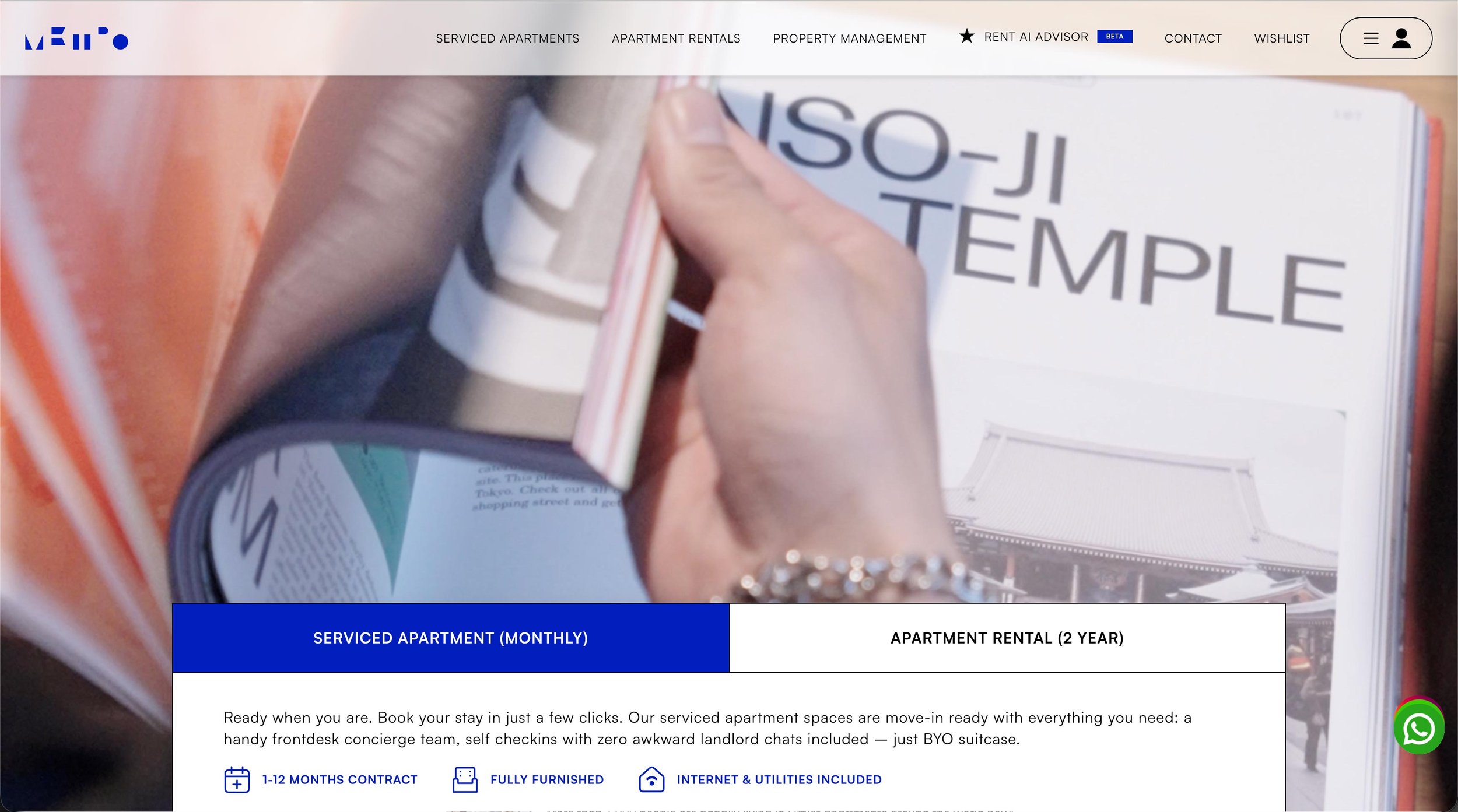
3. MetroResidences: a dedicated monthly serviced-apartment search
Browse MetroResidences’ serviced apartments
MetroResidences separates its monthly serviced apartments from its longer-term apartment rentals. Its monthly offering advertises contracts of one to twelve months, furnished accommodation, and included internet and utilities.
Start in the serviced-apartment section so you’re comparing options intended for this kind of visit.
What I’d check: the room layout, full charges for your dates, and what services are actually included. If regular cleaning matters to you, ask about its frequency and cost.
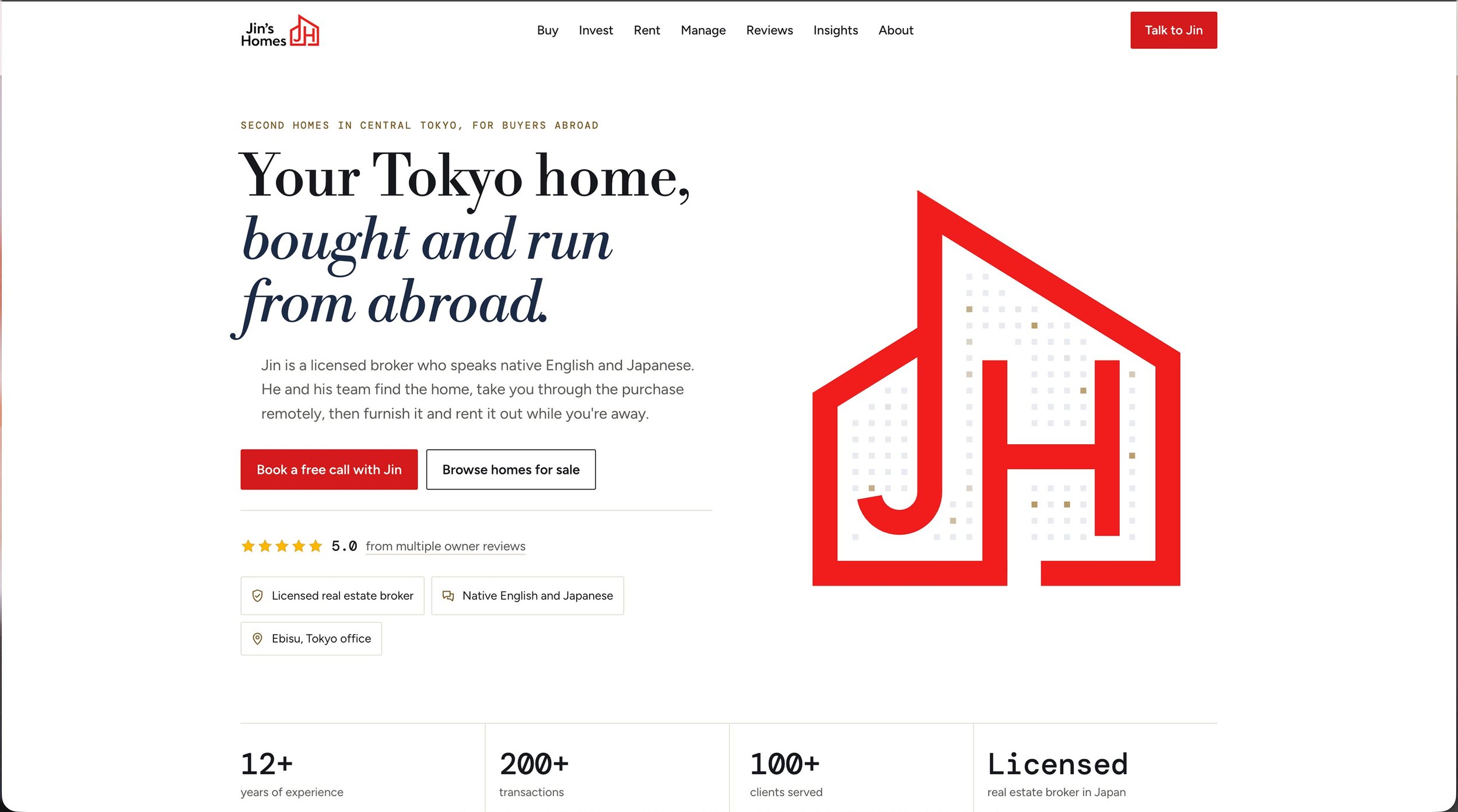
4. Jin’s Homes: furnished homes for 30 nights or more
This came through a local acquaintance with a connection to the business.
Jin’s Homes offers furnished rentals for 30-plus nights and explicitly states that Japanese language ability and Japanese residency are not required. It also offers online signing and English communication.
The properties are individually owned homes, which makes the details of each listing especially important. A layout that suits one person’s working month might be quite different from what works for a couple or family.
What I’d check: the individual home’s equipment, workspace, and utility charges. The site notes that some owners charge a separate fixed fee for utilities and internet.
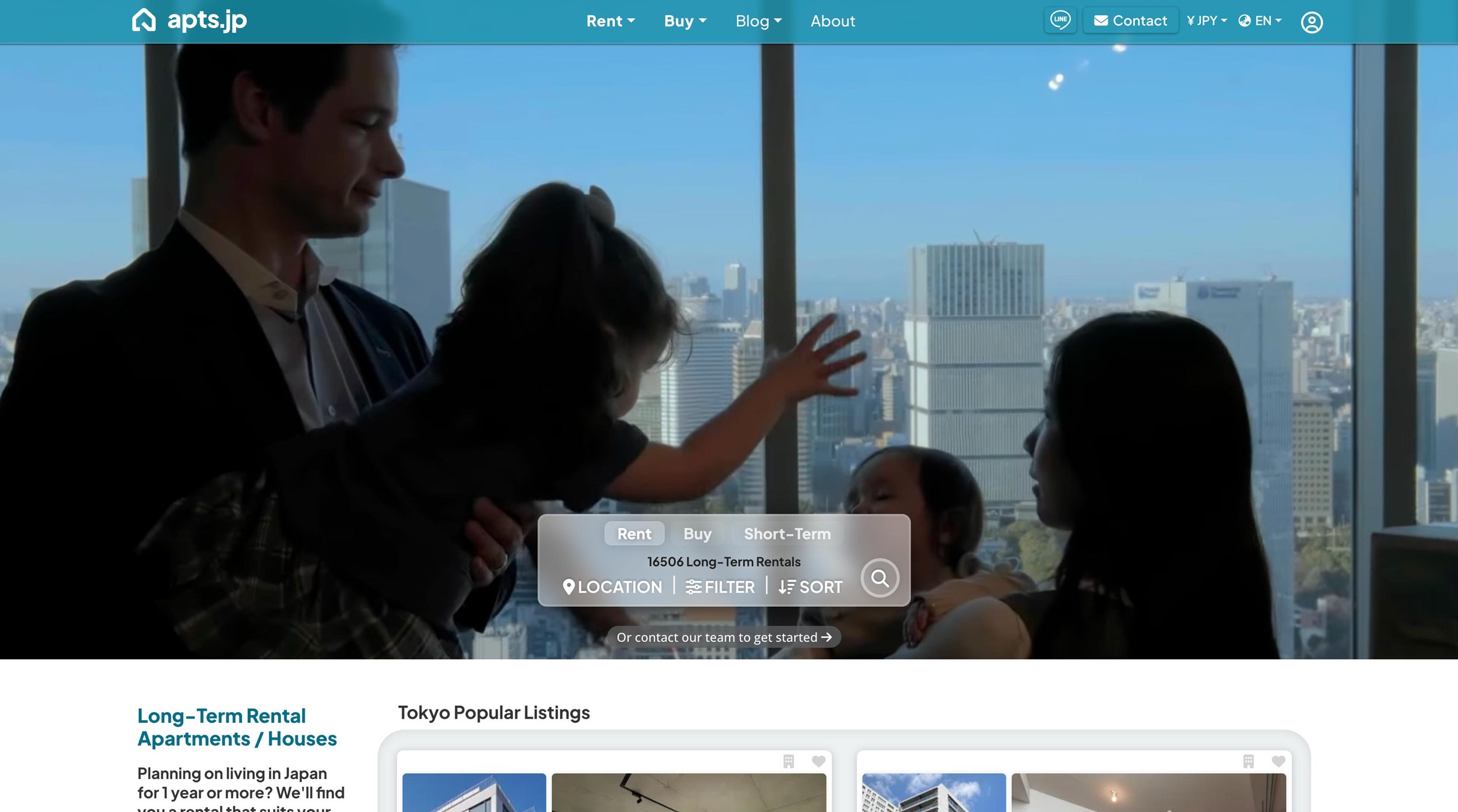
5. apts.jp: a monthly furnished-rental search page
Browse monthly furnished apartments on apts.jp
Another recommendation from the conversation was apts.jp, which has a dedicated page for monthly and short-term furnished apartments in Tokyo.
That specific page is a more useful starting point for this search than browsing a general rental homepage.
What I’d check: the minimum stay, eligibility for someone booking from overseas, and the complete move-in cost for the property you’re interested in.
How much should you budget for a monthly rental in Tokyo?
I’d be careful with any single number presented as “the cost” of a month in Tokyo. Your dates, apartment size, location, and contract length all need to be part of the comparison.
Ask each provider for the same thing: a written total for your exact dates and number of guests.
Break it into:
Accommodation: rent for the whole stay.
Additional charges: cleaning, service fees, utilities, internet, and any applicable taxes.
Refundable amounts: deposits, including how and when they are returned.
Changes: cancellation charges and the cost of extending.
A refundable deposit still affects the money you need upfront. A lower monthly headline can also become less attractive once additional charges are included.
For a working trip, I’d put the value of a usable desk and a manageable commute into that decision as well.
Choosing where to stay in Tokyo for business
Start with the addresses you’ll visit most often and check the actual routes from each apartment.
Look at the walk to the station, transfers, and the final walk at the other end. “Near a station” is useful information, but it doesn’t tell you how the whole trip will feel several times a week.
It’s a good idea to know around where you’ll visit, and plan the train, or Uber rides depending on your preference, to it. WIll you be frequenting to the Tokyo Innovation Base (TiB) often? It’s a good idea to plan around your temporary home to Yurakucho Station for example.
Then think about the hours around those meetings. Can you buy groceries easily? Are you too out the way, and might miss the last train? Is there somewhere to take a walk? Will you be comfortable taking an early or late call?
After years living in Japan, I’ve come to appreciate how much the ordinary parts of a neighborhood shape your experience. The familiar coffee stop. The restaurant you return to. The small conversations that become easier with time.
Give yourself space for those things, especially if part of the trip is understanding the place.
Questions to ask before booking
-
Several providers above explicitly advertise one-month or 30-night stays, including Hmlet and Jin’s Homes. Confirm the minimum term for the specific apartment and your dates.
-
Jin’s Homes explicitly says yes. Other providers’ requirements should be checked directly. English support or a furnished listing alone doesn’t establish booking eligibility.
-
Ask for details. A bed, sofa, and kitchen don’t tell you whether there’s a comfortable desk, reliable internet for calls, or enough privacy if you’re traveling with someone.
-
Ask before booking whether an extension would require a new contract, a different rate, or moving apartments. Don’t assume the same room will remain available.
Getting settled is part of getting to know a market
This guide started with a practical question and a few conversations. That feels familiar to me.
A lot of my work through CarmelloVision begins with someone trying to make sense of a new audience or an unfamiliar context. They have a product, a business, or an idea. They need to understand how to introduce it, what people need to know, and where the experience is creating confusion.
Time on the ground gives you something to work with. Notice the questions people ask about your business. Pay attention to what needs explaining twice. Those moments can inform your positioning, your website, and the way you present yourself.
I’ve written more about that connection between living here and working across markets in I Spent Years Learning Japan From the Inside. I Didn’t Know It Was Preparation.
If you’re coming to Tokyo to explore what’s next for your business, I’d be interested to hear what you’re building.
CarmelloVision is my Tokyo-based design and strategy studio. I work with founders and teams on positioning, websites, UX, and communication across markets. You can explore the work or get in touch.